

Congratulations!!
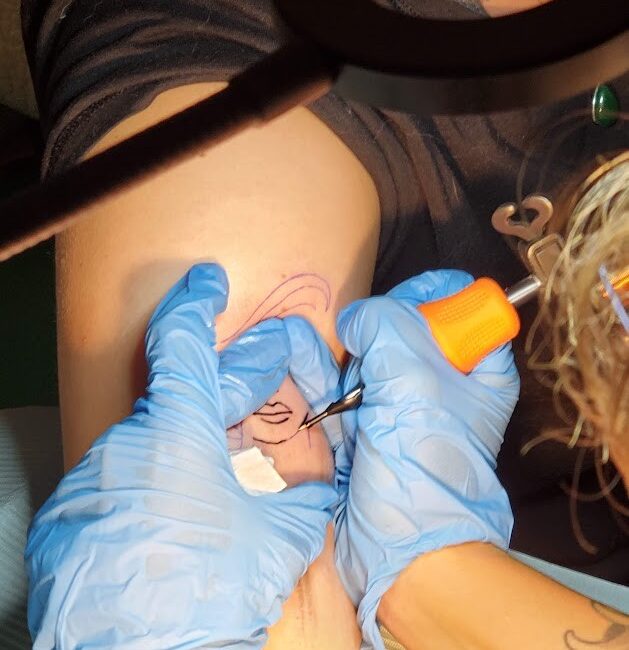
You have a Tattoo! Your tattoo is a permanent piece of body art. Whether it’s a small flash or a full sleeve, how you take care of your tattoo through the healing process plays a huge role in how well your new tattoo holds up over time. Your tattoo’s vibrance, sharpness, and longevity all depend on what you do immediately after leaving the session.
That's a Wrap
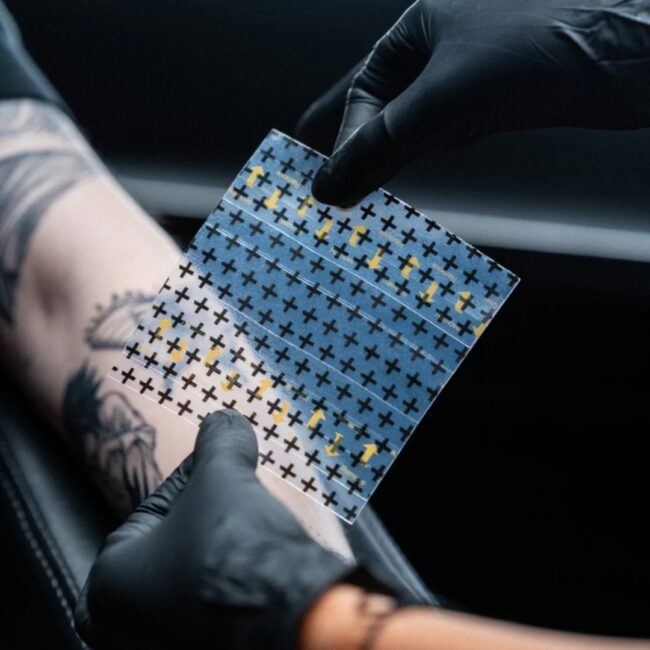
Wrapping helps protect your tattoo from friction and bacteria, especially in the first few hours. But there are exceptions. If you have a known skin allergy to adhesive or experience irritation from wraps, let your artist know. We may recommend a different aftercare approach. As always, follow your artist's recommendation. Depending on the type of wrap we advise keeping your tattoo wrapped for a few hours for a cling dressing, while with a derma-shield style we suggest leaving it covered overnight or up to 72 hours.
Keep It Clean
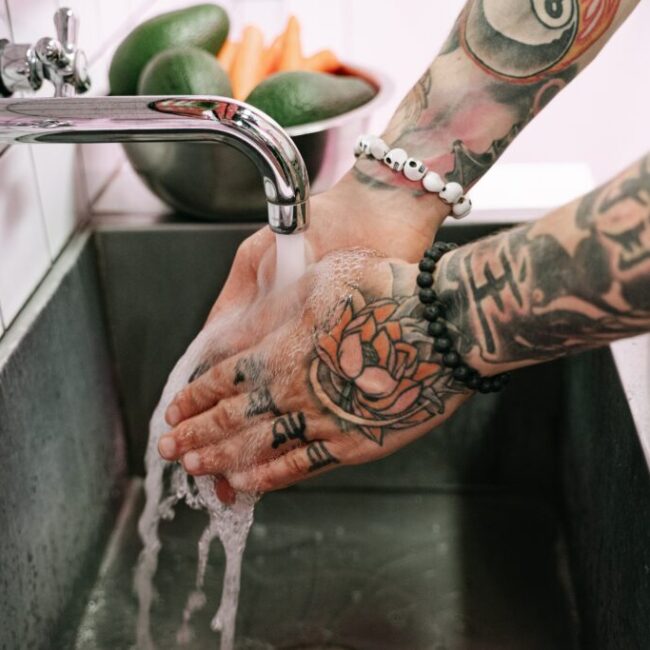
When you’re ready to remove the wrap, take it slow. Start with clean hands. Let lukewarm water run over the area to help loosen the wrap before gently peeling it off in the direction of hair growth. Once the wrap is off, give your tattoo its first real wash. Before touching the tattoo, always thoroughly wash and dry your hands. Then, run as warm a water as you can stand over the tattoo and gently lather with an unscented, undyed antibacterial soap. This isn’t the time for exfoliating gloves or loofahs. Be sure to keep the following in mind when washing that new piece - *No scrubbing. *No sponges. *No harsh cleansers. *Look for gentle products, those specifically designed for fresh tattoos are best but classic Dial has served the populace well since before brand marketing Rinse with care, then gently pat dry using a clean paper towel (or let it air dry). Avoid bath towels - those can be linty, full of unseen bacteria, and clean behind impurities. Once dry, apply a thin layer of tattoo balm to lock in moisture, helping the area stay hydrated. This is where the magic begins. Keeping the area hydrated during the healing process is an essential step.
Tattoo Do's
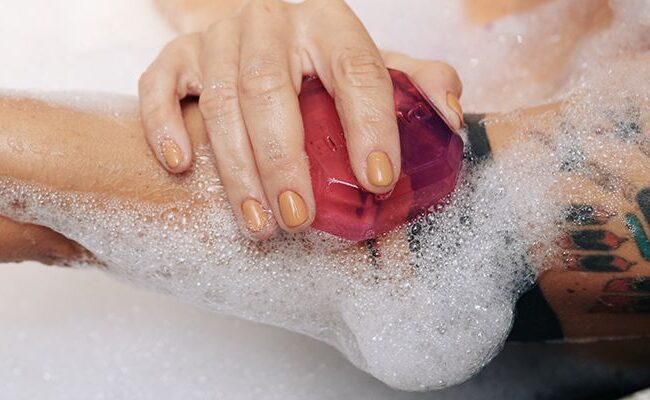
*Keep your tattoo clean! *Wash your tattoo with hot water and antibacterial soap. *Let your skin air dry or blot with a clean paper towel. *Moisturize with a thin layer of aftercare balm. *Avoid sun exposure and dirty environments.

Tattoo Don'ts
Don’t: * Re-use plastic wraps and bandages. *Expose your fresh tattoo to direct sunlight and UV rays (tanning beds included!). *Soak it in water (no baths, hot tubs, saunas, or swimming). *Wear tight clothing that could rub the tattoo. *Avoid direct sunlight to ensure your skin undergoes proper healing. * No sunscreen on a healing tattoo. That step comes after it’s fully healed.

Sleeping Fresh & Uncovered
Sleeping with a New Tattoo that is not under a dermasheild barrier the first night can be tricky, especially if your tattoo is in a spot that touches the bed. Always start with fresh, clean sheets and wear loose clothing that won’t stick to your skin. Try to sleep in a position that doesn’t put pressure on the tattooed area. TIP: if for any reason your clothes or sheets stick to your new work and harden DO NOT RIP THEM OFF! Take the stuck items with you and run warm water over the surface until the items release naturally.
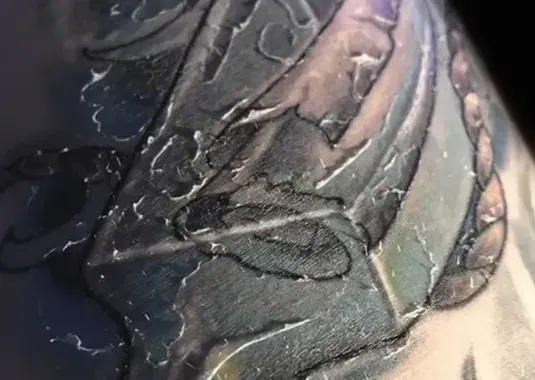
Peeling, Hydration & What’s Normal
This is the phase where healing starts to get real: your tattoo may start flaking, itching, and show the beginning signs of peeling. Don't panic! This is totally normal. Stick with your routine: wash your tattoo with lukewarm water, apply a thin layer of balm, and repeat. If you've got dry skin or the tattoo feels tight, don’t panic. That’s your cue to reapply. Reach for tattoo balms made with ingredients like aloe, shea butter, and coconut oil that help maintain hydration and soothe dry skin.
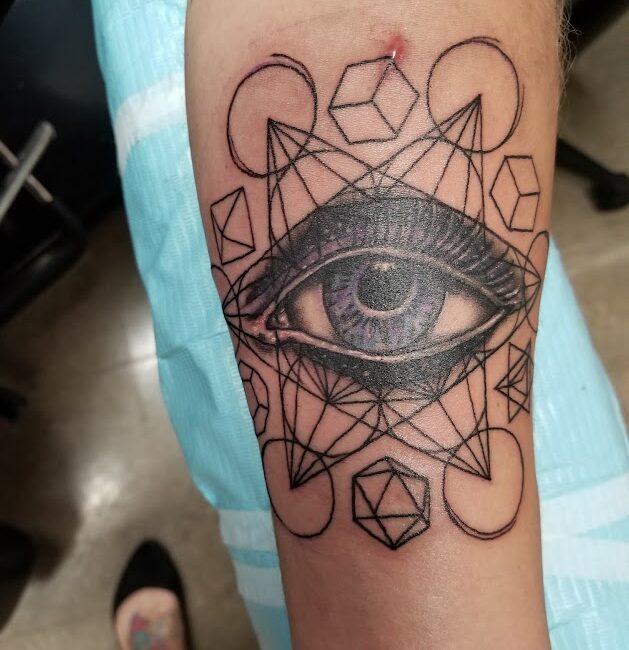
Expect to see:
You can expect to see: *Light flaking or peeling *Minor redness *Some soreness or tightness These are all part of the healing process. Your skin begins doing its thing. The line in the sand is: if you notice excessive swelling, pus, sharp pain, or excess bleeding, that’s not normal. Don’t wait! Get in touch with your tattoo artist or a healthcare provider ASAP. When in doubt, speak up. Healing should feel a little annoying, not alarming.
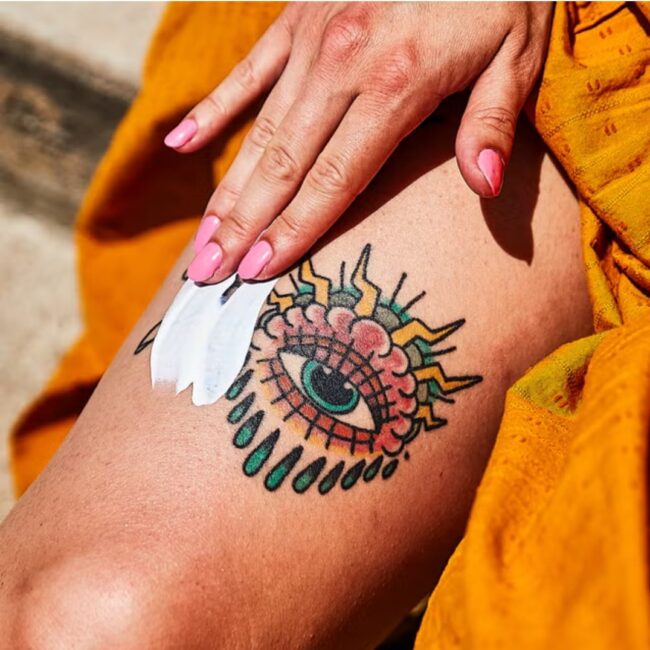
The After Aftercare
UV rays are your tattoo’s biggest enemy. Direct sunlight can fade your tattoo, dry it out, and slow down the wound healing process. Important: Do not apply sunscreen until your tattoo is fully healed. Until then, keep it covered with loose clothing and stay in the shade. Once you’re in the clear, typically after 4 to 6 weeks, or by your tattoo artist’s guidance, make daily SPF a non-negotiable. Go for a mineral-based sunscreen with broad-spectrum protection. Reapply as needed, especially if you’re outdoors or sweating. Protecting your tattoo from sun exposure isn’t optional. It’s long-term tattoo care. Do it right so your colors can stay crisp and your lines can stay sharp.